Albert Aymà Aubeyzon
Photographer trained at the Escola Massana. Darkroom, reportage, teaching and the faithful reproduction of old documents.
 Albert Aymà
My drive for flawless reproduction on photographic paper led me to teach, and to devote myself to the faithful reproduction of very valuable documents.
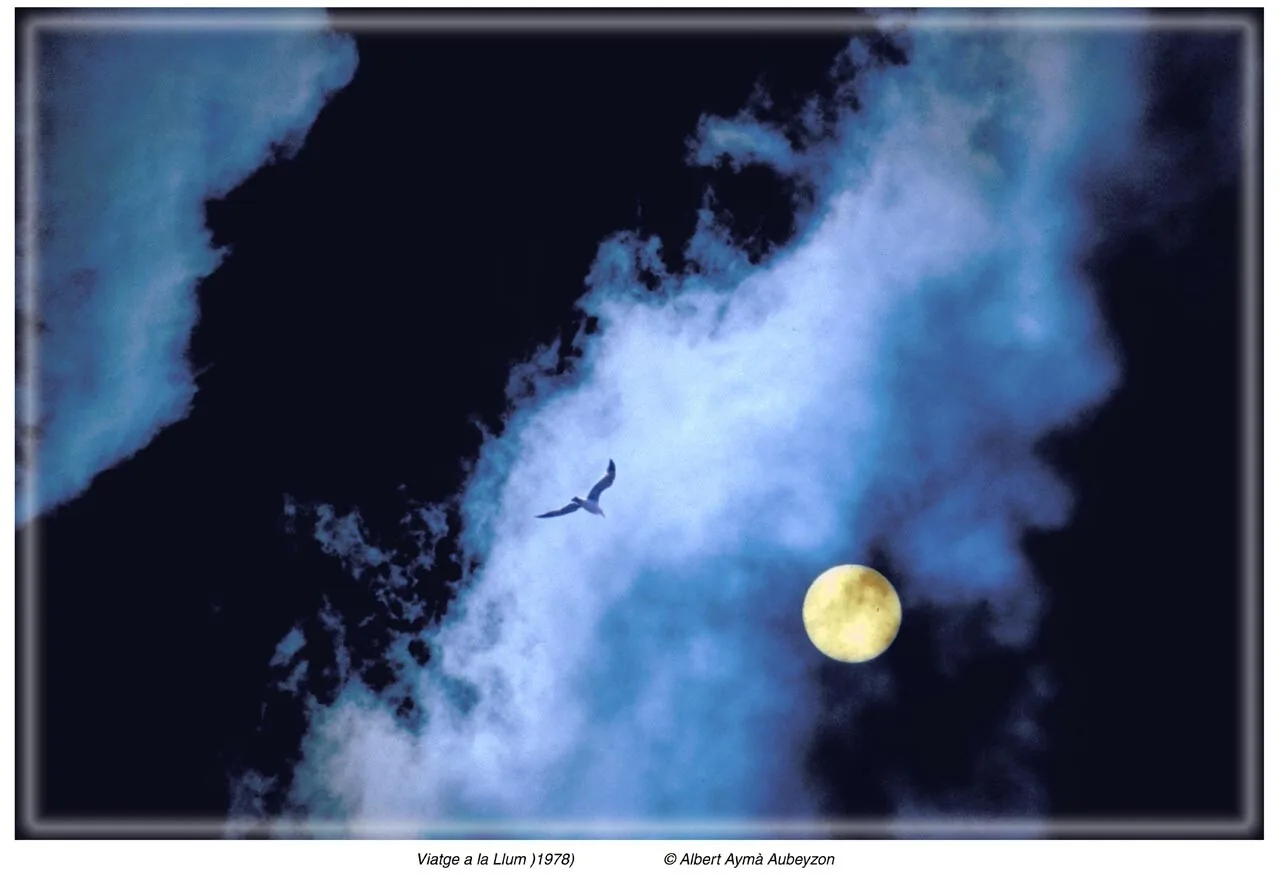
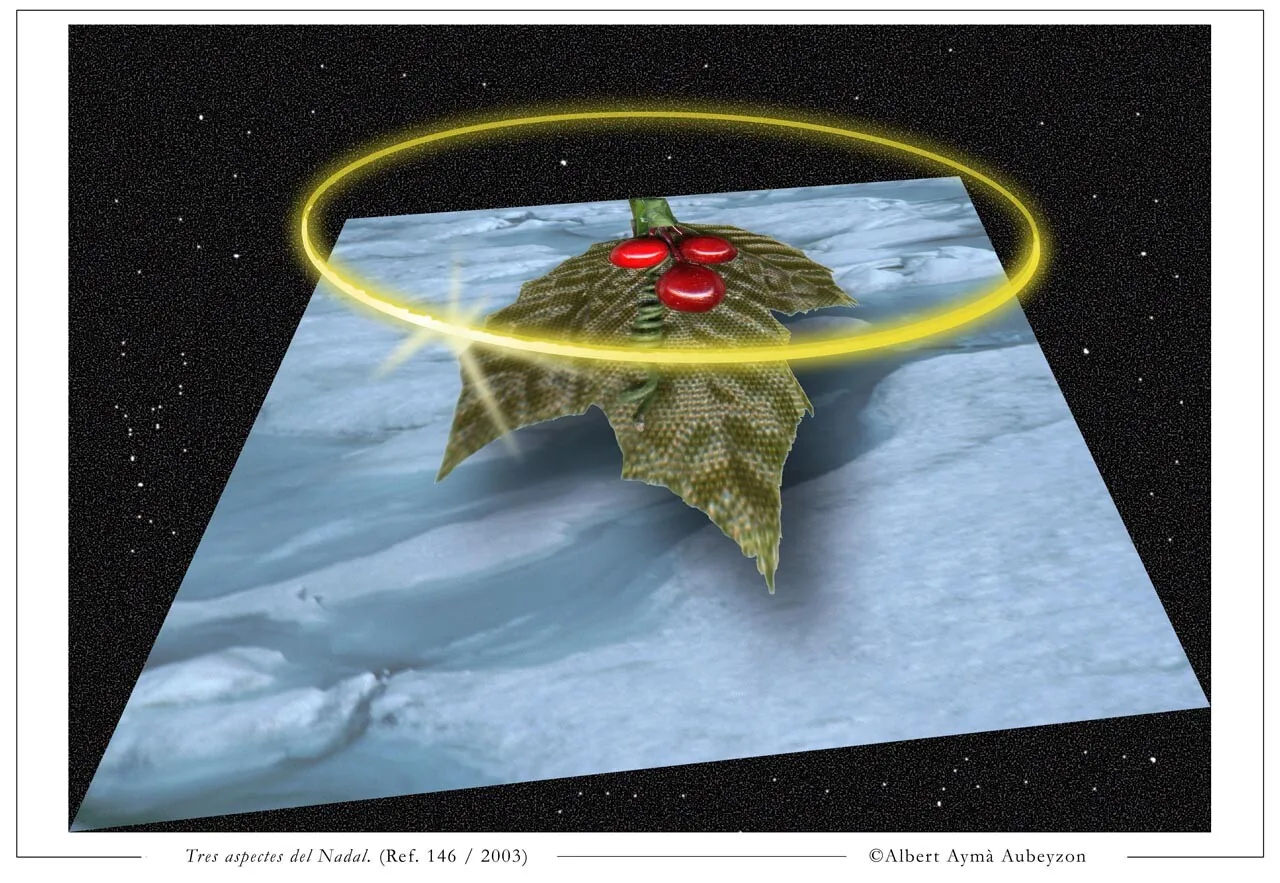
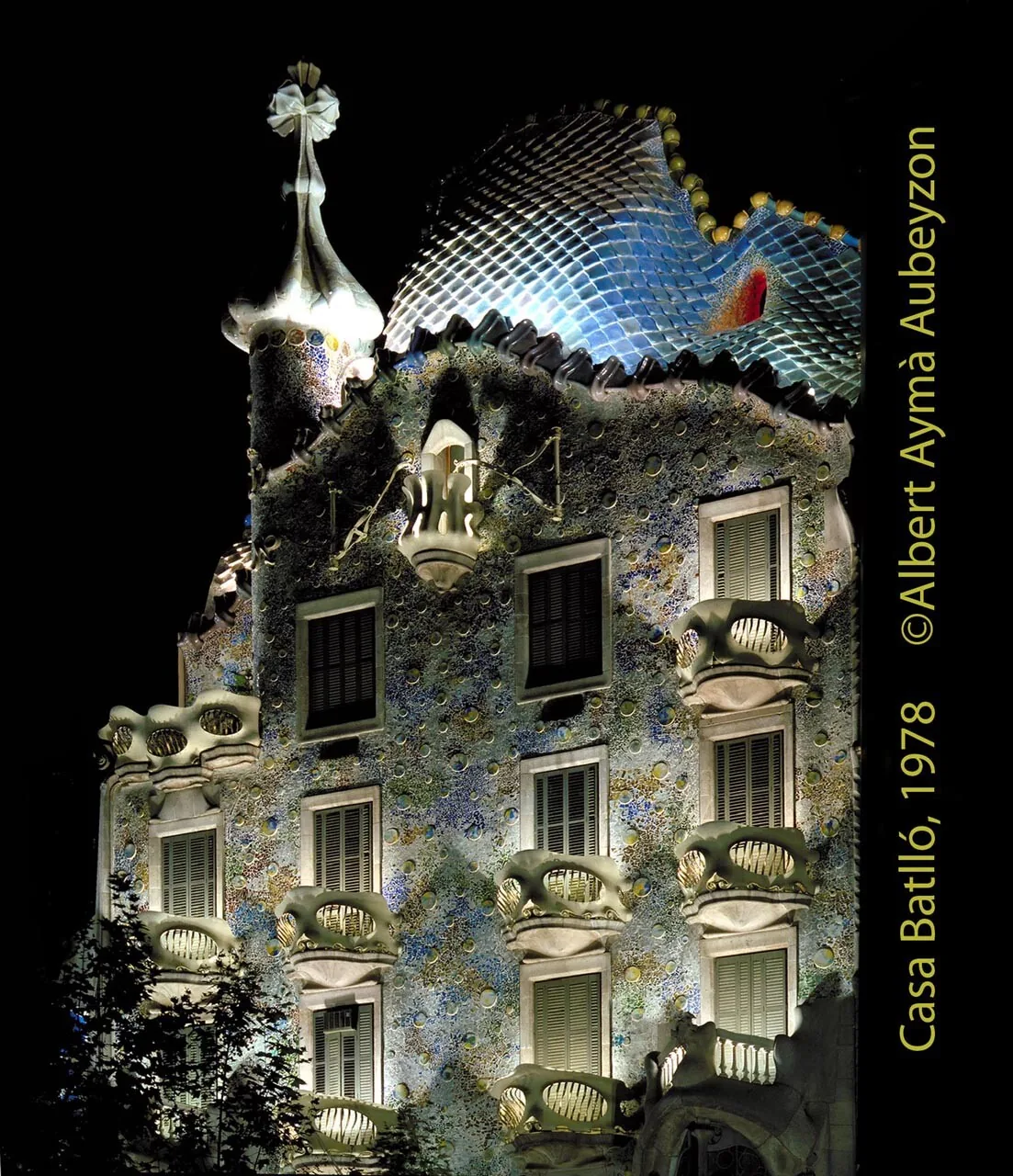
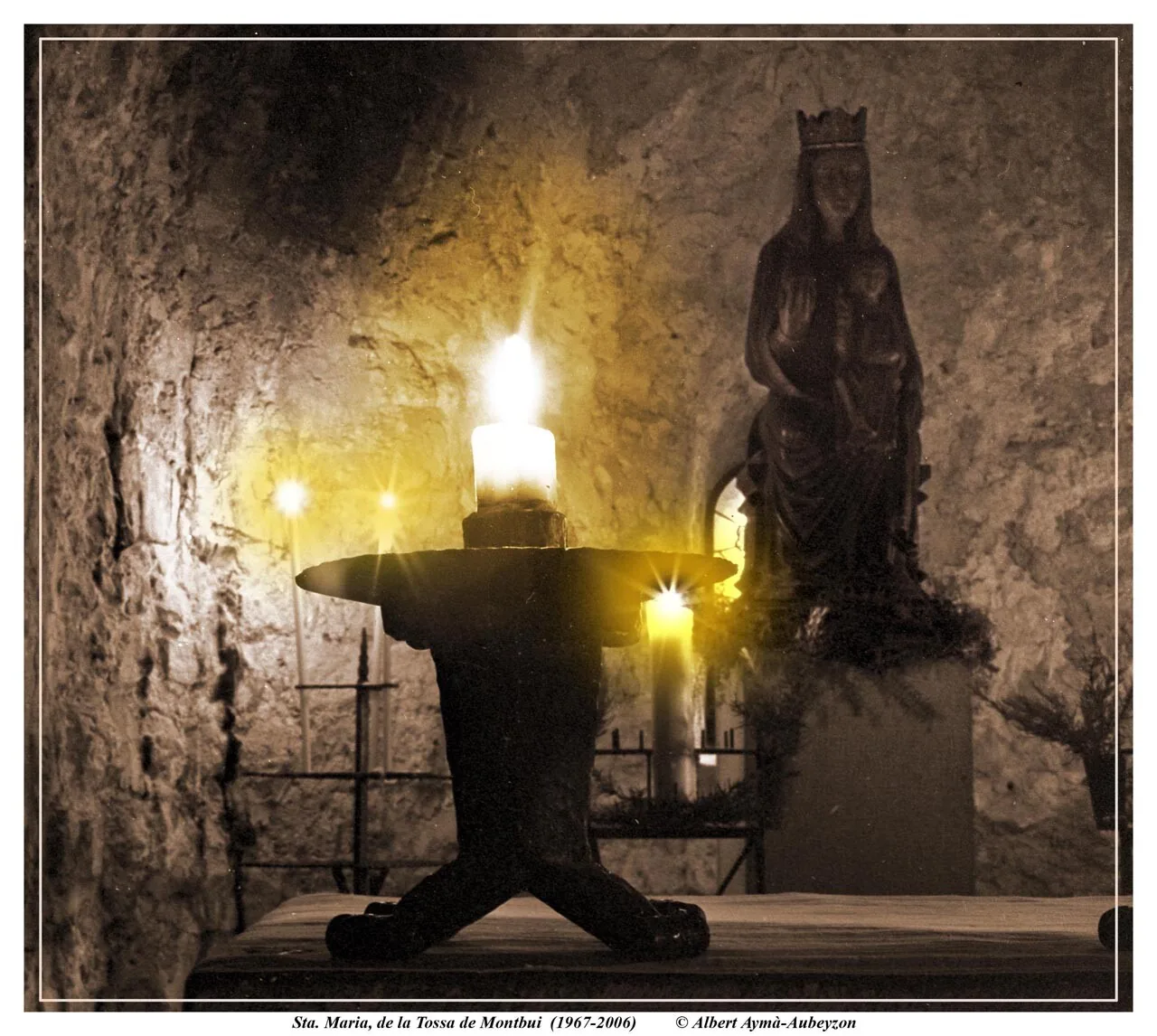
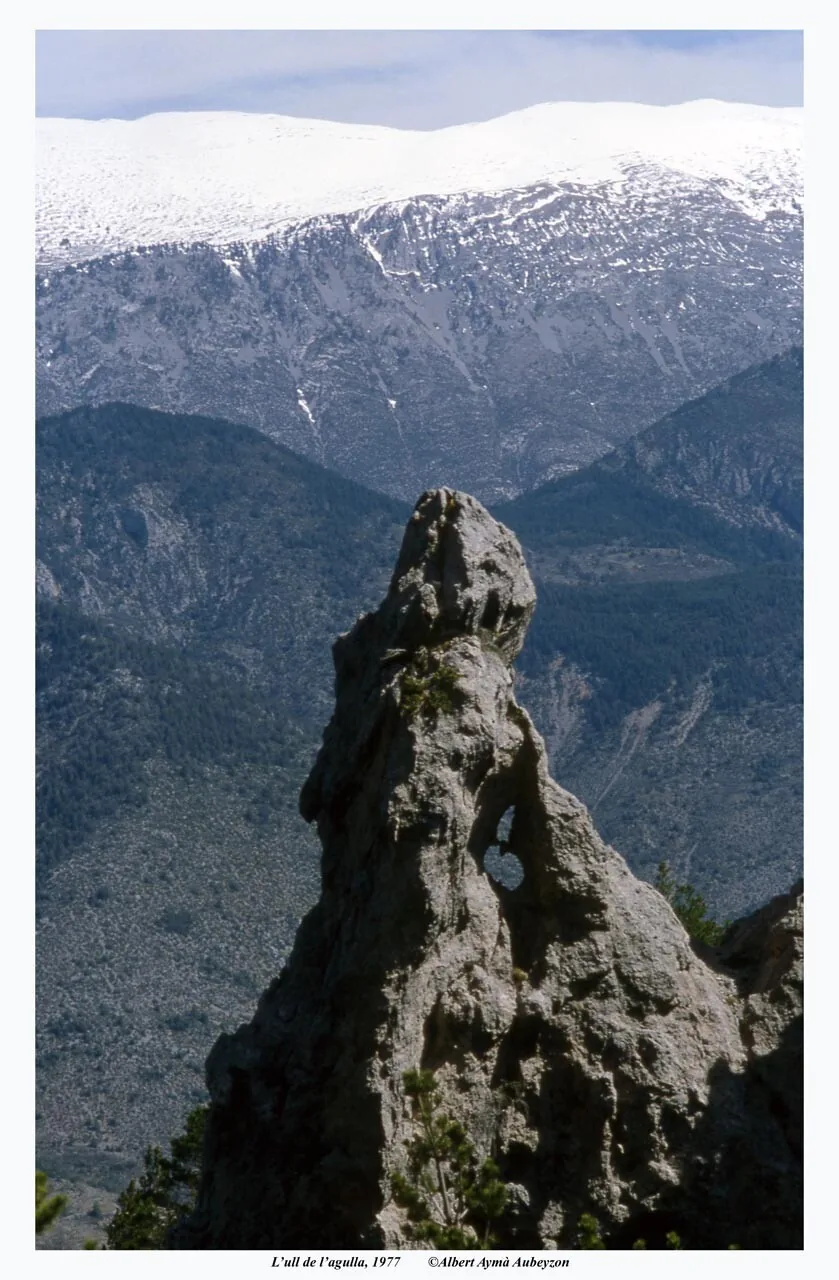
 Journey to the Light
-
17
A decision
Trained as an artist at the Escola Massana, at seventeen he decides that photography will be his means of expression.
-
Lab
Camera and darkroom
He pairs the shot with the darkroom: filters to interpret what he perceives, paper worked until it gives its best. He studies old processes: bromoils and gum bichromates.
-
Ciba
Cibachrome reaches Spain
First as an experiment, he introduces Cibachrome (later Ilfochrome) to Spain. Its success leads him to open a professional lab and studio open to the public.
-
1973
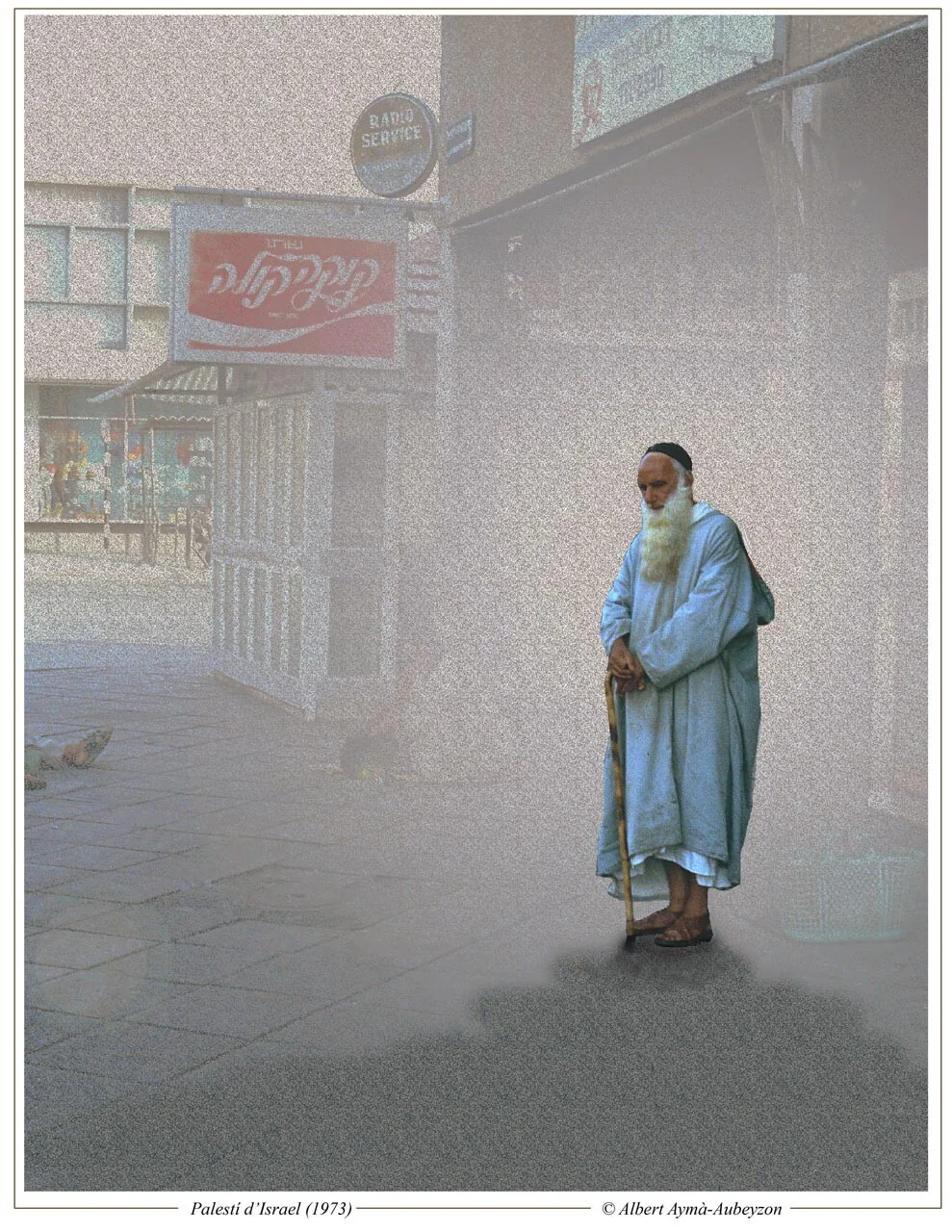
Israel–Palestine, between wars
The first report on Israel and Palestine, in 1973, between the two wars: some 500 photographs.
-
1982
The monuments inventory
He makes the first photographic inventory of the monuments officially listed by the Generalitat de Catalunya. Alongside: posters, calendars, postcards, newspapers.
-
Mestre
The pursuit of the perfect print
The drive for flawless reproduction leads him to teach at the Institut d'Estudis Fotogràfics de Catalunya and the Nikon School, and to specialise in faithful reproduction of valuable old documents.
-
Digital
A new birth
Digital photography rekindles his creative spirit, and he completes many works conceived years earlier with that artistic intent.
Colour that does not fade
Cibachrome is a direct positive process from colour slides, with azo dyes built into the paper: intense saturation, extreme sharpness and a permanence measured in generations. Albert Aymà introduced it to Spain, first as an experiment and then as a lab open to the public.
That same standard applies today to every digital file in the archive: faithful, uncompressed copies.